
critical
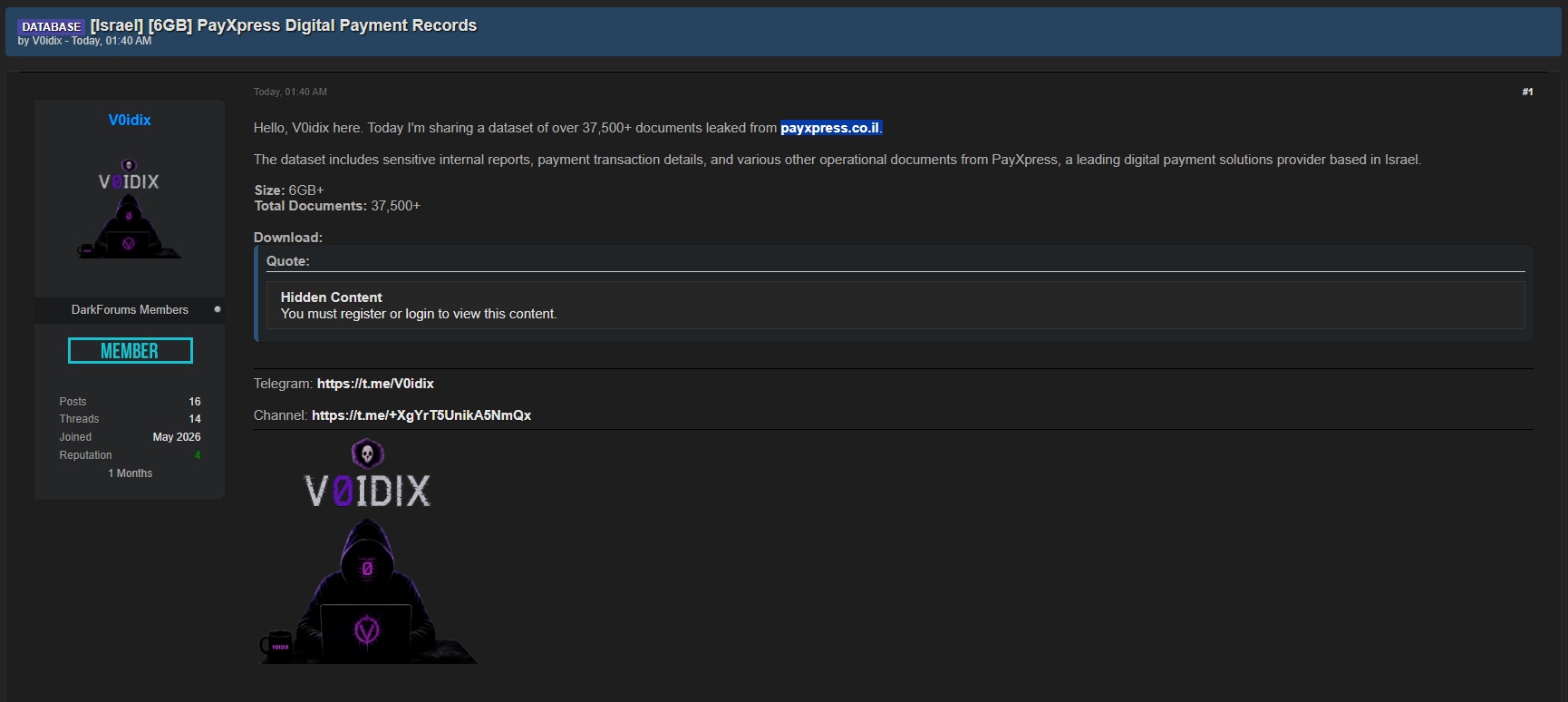
A deep dive into the reported leak of 6 GB of PayXpress business data. Explore the implications for enterprise security and how to safeguard sensitive financial information.

If your team may be exposed to a similar threat, FemtoSec can help validate blast radius, prioritize remediation, and connect the issue to a practical security program.
Addressing the reported leak of 120 million records from Bet365 requires immediate assessment. We examine the security implications for users and enterprises.

An alleged breach of the Meducar telemedicine platform in Argentina has exposed 3.2 million user records containing sensitive medical, personal, and religious data. Learn how security teams can validate API structures, secure AWS S3 cloud buckets, and implement tactical database containment steps.

An 8 GB SQL database archive has been leaked online, exposing sensitive student records, institutional identifiers, and emails. The incident highlights critical security gaps in public-facing educational platforms and the immediate danger of secondary credential abuse attacks across enterprise environments.
The reported unauthorized disclosure of internal records from PayXpress highlights the persistent risk surrounding financial services organizations. The exposed dataset, spanning over 6 GB and containing more than 37,500 documents, includes sensitive information such as payment transaction details, operational documentation, and internal reports. Such incidents illustrate how even sophisticated financial institutions can become vulnerable when internal documentation and operational data are inadequately protected.
For any enterprise handling financial transactions, the loss of this information poses significant operational and regulatory risks. When sensitive transaction logs are exposed, attackers gain insights into business logic and internal processes that can facilitate more targeted fraud attempts or lateral movement within the network. Understanding the scope of this exposure is the first step in building a resilient defense. If your organization operates in a similar digital finance space, consider reviewing your Attack Surface Management posture to ensure no unintended data leaks are occurring.
Financial service providers are frequent targets for adversaries seeking to exploit transaction flows. The presence of internal operational documents suggests that the breach may have originated from misconfigured internal systems, compromised cloud storage, or an insecure interface. Once this data reaches underground forums, it is typically used for reconnaissance by other threat actors. The combination of payment data and internal reports provides a blueprint for further exploitation.
Organizations should prioritize Vulnerability Assessments to identify and close gaps that might lead to future data exfiltration. The loss of operational intelligence is particularly dangerous, as it allows attackers to masquerade as trusted internal entities during business communications or financial processes. This elevates the risk of supply chain attacks and sophisticated social engineering campaigns targeting staff.
To mitigate the risks associated with such leaks, enterprises must adopt a proactive stance. Simply reacting to known breaches is rarely enough in the modern threat landscape. Security teams should prioritize mapping their data footprint to detect unauthorized staging or exfiltration paths. Free domain exposure scan: Use FemtoSec's Dark Web Scanner to check dark web mentions, compromised account indicators, malware log signals, public breach exposure, and recent underground market activity for your domain.
Beyond individual scans, maintaining a continuous monitoring strategy is essential for detecting the early signs of a breach. This includes regular reviews of access logs, implementing strict identity management, and conducting regular audits of internet-facing assets. Given the sensitive nature of financial documents, maintaining compliance with standards such as PCI-DSS is non-negotiable. Our Compliance Services team can assist in verifying that your operational controls are sufficient to protect against similar incidents in the future.
The incident at PayXpress serves as a reminder that the perimeter is no longer the only concern for enterprise defenders. Data governance and internal visibility are just as critical as perimeter defense. Organizations that fail to account for the lifecycle of their internal documents, from creation to archive, are inherently at risk. By implementing robust offensive security testing through Penetration Testing, your team can identify which assets are most exposed and prioritize them for remediation before they become the subject of an underground data sale.
Remember that data breaches often stem from a series of minor oversights. Strengthening your security posture requires a combination of continuous monitoring, rigorous vulnerability management, and a culture of security awareness. By proactively addressing these risks, organizations can ensure that they remain protected even as the threat landscape evolves.