Defensive Validation and Containment
For organizations, the primary priority following a public claim of a data breach is the validation of the current security state. Defenders must immediately evaluate whether they have suffered similar unauthorized access, which often manifests through suspicious lateral movement or anomalous outbound traffic. Identifying an intrusion before a public leak occurs is the difference between a controlled remediation and a catastrophic loss of data confidentiality.
Effective containment requires a granular understanding of the attack surface. If your organization operates internet-facing assets or cloud environments, conducting a thorough review of exposed services is vital. Relying on Attack Surface Management allows security teams to identify misconfigurations that threat actors exploit to gain initial access. Furthermore, proactive Penetration Testing helps in mapping potential entry points that could lead to full-scale domain compromise, such as exploited APIs or unpatched infrastructure weaknesses.
Understanding the Extortion Lifecycle
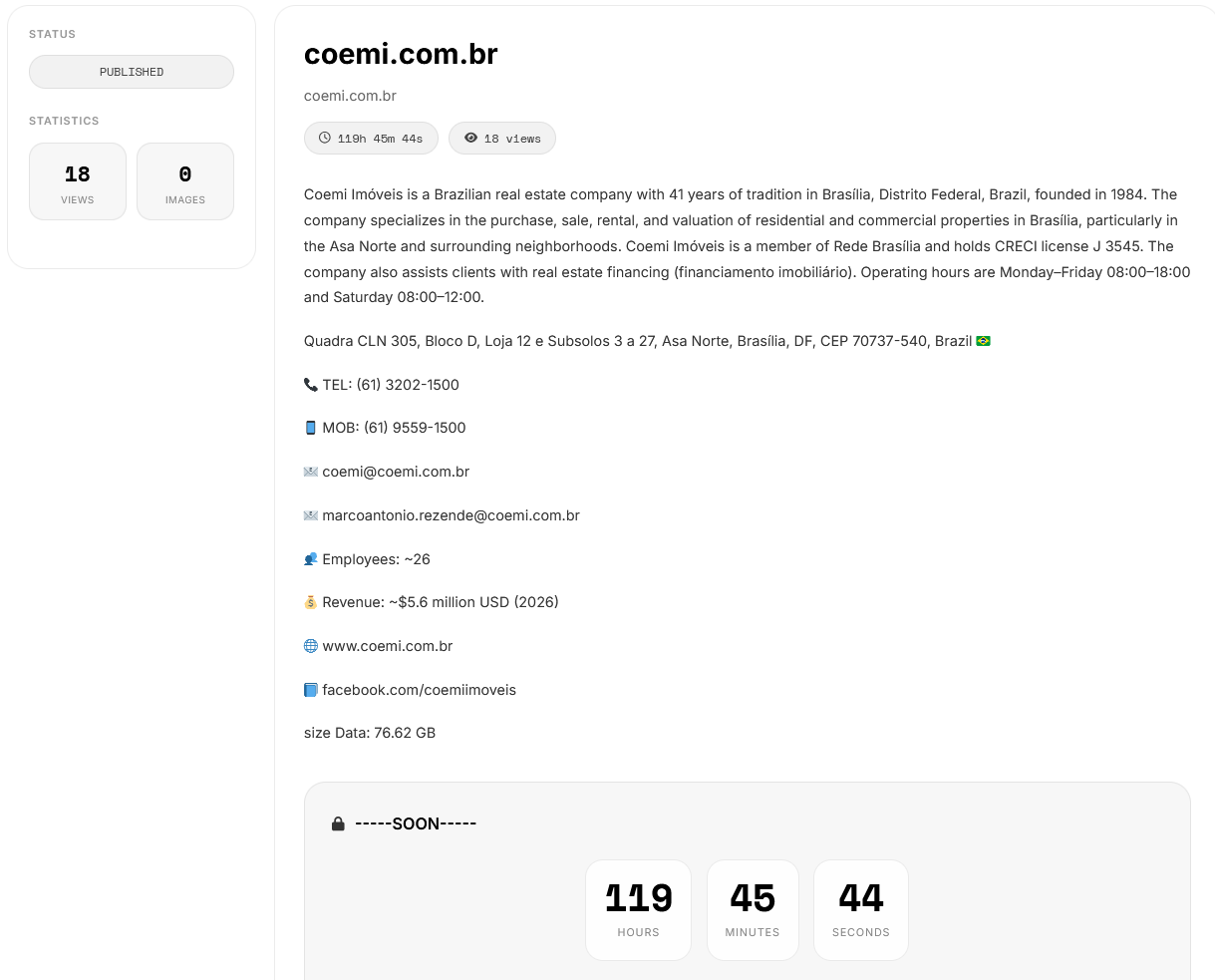
Ransomware is no longer just about encryption. Modern threat groups focus heavily on data exfiltration, creating pressure on victim organizations even if they can restore systems from backups. The KRYBIT incident demonstrates the characteristic pattern of asserting control over stolen proprietary information. In the context of real estate, this data often includes sensitive client contracts, identity documentation, and internal financial records, all of which carry significant regulatory and trust-related consequences.
To mitigate these risks, organizations must move beyond reactive patching. A comprehensive Vulnerability Assessment strategy ensures that CVEs are not just tracked, but remediated based on their actual risk to the enterprise. When dealing with complex threats, simulating adversary behavior through Red Teaming can reveal critical security gaps that standard automated tools often overlook, providing leaders with actionable intelligence to strengthen their defensive posture.
Strategic Recommendations
Implement strict access controls and verify identity management across all remote access points.
Conduct regular scans for leaked credentials using tools that monitor dark web forums.
Strengthen your incident response plan to include data exfiltration playbooks, focusing on containment timeframes.
Ensure that critical business applications undergo rigorous source code reviews to prevent exploitation.
Maintain a posture of continuous validation, moving from annual checklists to AI-powered, ongoing security monitoring.