The Threat Landscape for GCC Infrastructure
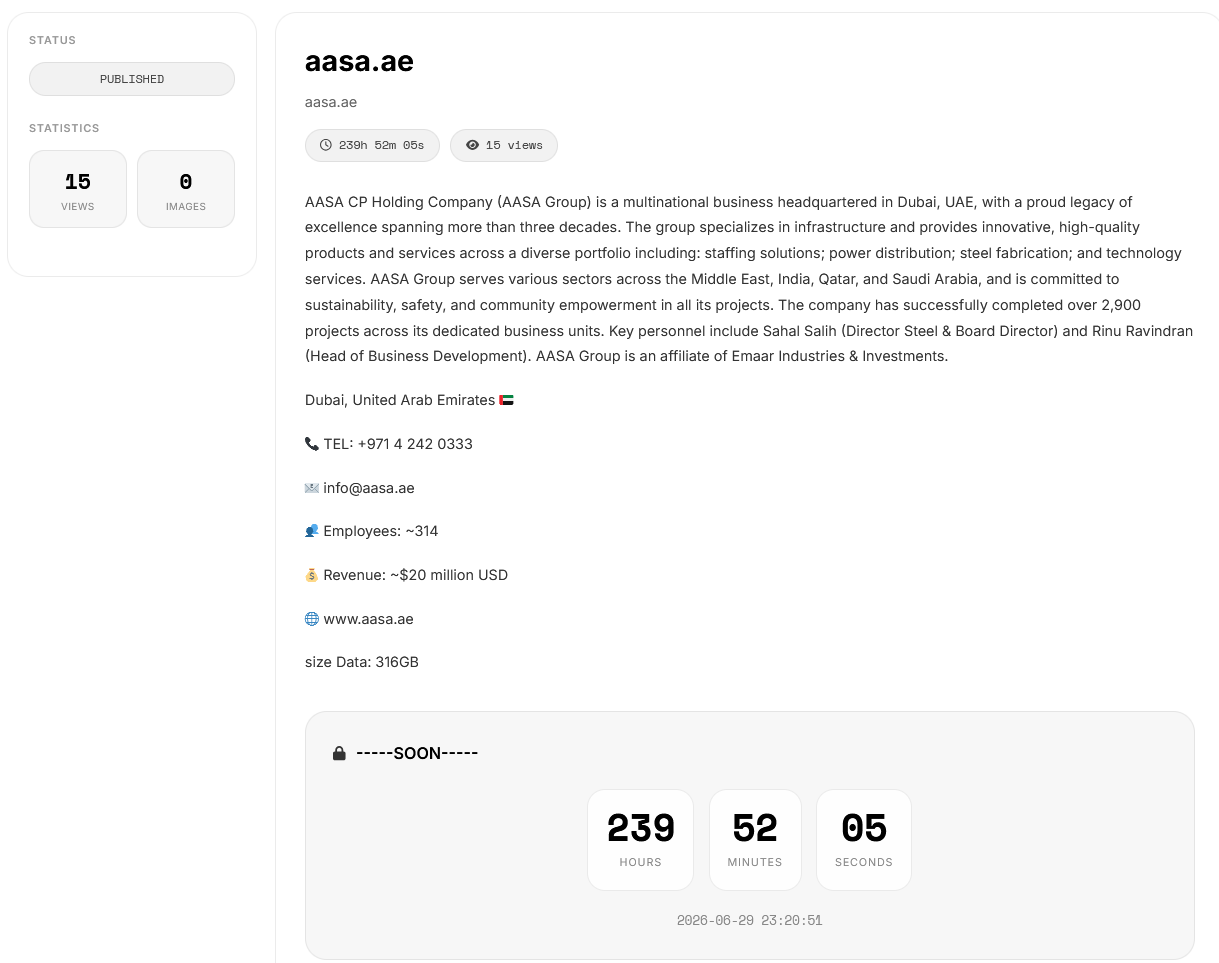
Construction and holding companies in the UAE and wider GCC region remain high-value targets due to the volume of sensitive project data, financial records, and supply chain dependencies they manage. The KRYBIT incident highlights the shift toward data exfiltration as a primary leverage point for extortion. This strategy relies on the assumption that organizations will prioritize data privacy and operational continuity over long-term security remediation. Organizations should view this as an opportunity to audit their Attack Surface Management posture, ensuring that external-facing infrastructure is not providing the initial entry point for malicious actors.
Immediate Defensive Priorities
For security teams, the primary goal following a public threat announcement is the rapid validation of existing access boundaries. If you identify anomalous traffic patterns or unauthorized logins, performing a comprehensive Penetration Testing engagement can expose the systemic weaknesses that adversaries frequently exploit to establish persistence. Maintaining a proactive stance is essential; waiting for an indicator of compromise to appear in the news is often too late.
Enhancing Resilience Against Extortion
Organizations must adopt a defense-in-depth approach that assumes perimeter defenses will eventually be tested. This involves rigorous management of service accounts, regular patching of internet-facing assets, and the implementation of multi-factor authentication across all remote access points. Furthermore, incident response plans should include specific playbooks for dealing with extortion threats, including secure off-site backups that are tested regularly for data integrity.
Building a robust defense requires moving beyond standard compliance. It demands a culture of continuous security validation. By simulating the tactics and techniques used by groups like KRYBIT, organizations can uncover vulnerabilities that typical automated scans might miss. This proactive cycle is fundamental to protecting critical assets and ensuring that your organization is not the next entry in a threat actor's leak portal.