Phase 1: Delivery and Execution Models
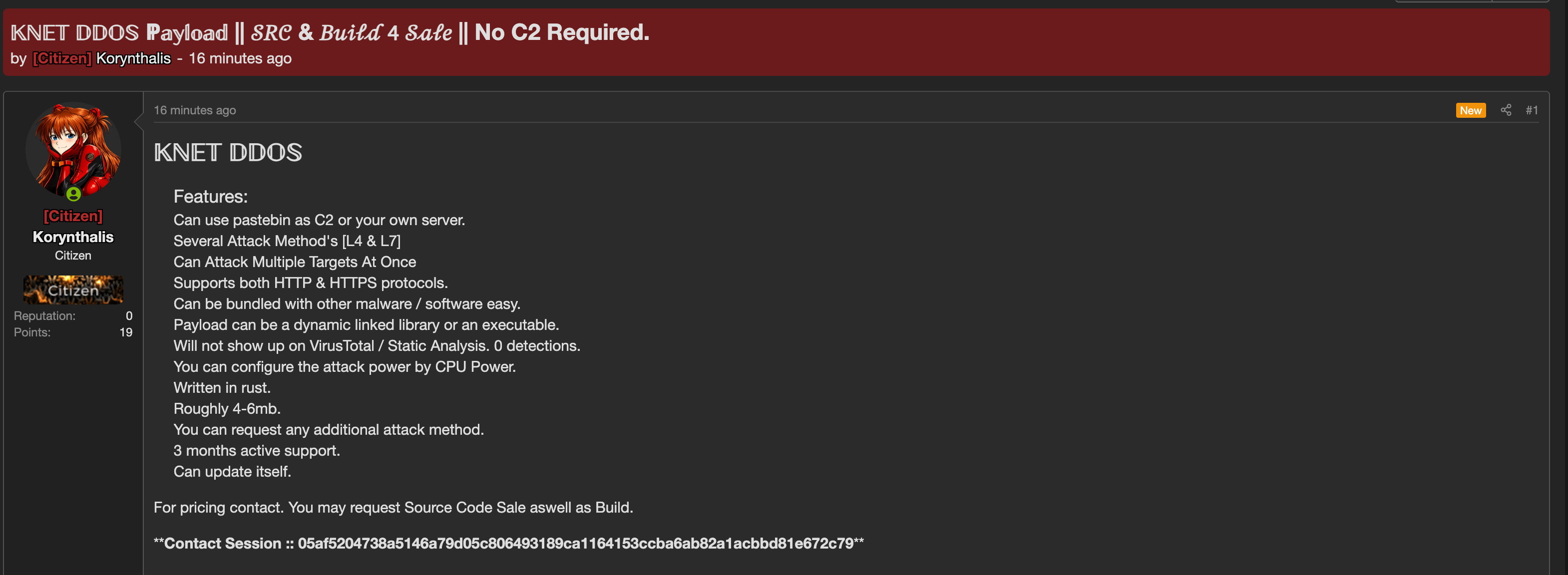
The malware is packaged and distributed in two primary operational formats: a standalone executable (EXE) and a dynamic link library (DLL). Initial delivery of the payload is typically facilitated through multi-stage distribution campaigns, such as malicious loaders, phishing campaigns containing malicious attachments, or malvertising. The DLL build is particularly hazardous because it is specifically optimized for DLL sideloading attacks. In this scenario, the attacker places the malicious DLL in the same directory as a trusted, digitally signed system binary or application. When the legitimate application launches, it automatically loads the malicious library into its address space, bypassing application whitelisting and traditional endpoint protection tools.
Phase 2: Rust-Based Evasion Techniques
Choosing Rust as the primary language provides several inherent technical advantages for evasion. Rust binaries compiled with optimizations contain complex control flows and deeply nested logic trees that differ significantly from typical C or C++ structures. Standard signature-based antivirus solutions struggle to identify malicious patterns within these compiled binaries, especially when symbols have been stripped. Furthermore, Rust utilizes highly efficient native memory management and threading models, allowing the binary to execute with a minimal footprint while maintaining maximum throughput when generating network traffic. This permits the malware to run quietly in the background during idling periods, remaining virtually invisible to simple process-monitoring utilities.
Phase 3: Decoupled Command and Control (C2)
A notable feature of KNET DDoS is its capability to operate without a persistent, dedicated C2 server. Traditional botnets require a direct connection to an attacker-controlled domain or IP address, which defenders can quickly isolate once identified. KNET bypasses this limitation by abusing public services like Pastebin to host dynamic target lists. The payload is configured to send outbound HTTP or HTTPS requests to specific, raw text URLs on trusted platforms. Because organizations routinely allow connections to these legitimate software development and sharing domains, the C2 check-ins blend seamlessly into standard developer or admin traffic. Additionally, KNET features a self-updating mechanism that queries these remote sources for new payload hashes, downloading and overwriting the local binary to stay ahead of security updates.
Phase 4: Denial of Service Mechanics and Target Mobilization
Once a target configuration is pulled from the dynamic C2 platform, the malware initiates its packet-generation engine. The payload is capable of conducting simultaneous attacks against multiple targets across different layers of the network protocol stack. For Layer 4 operations, the malware initiates direct floods, including TCP SYN and UDP floods, which aim to saturate the network bandwidth of the destination. For Layer 7 operations, it generates high-frequency HTTP and HTTPS requests, simulating legitimate user actions to consume the web server application pool and database resources. The malware author has integrated a configurable CPU allocation mechanism, allowing operators to dictate the exact percentage of processor power dedicated to the attack. This ensures that infected machines can run the attack at a throttled rate to avoid detection by system administrators, or at full capacity when maximum damage is desired.
Enterprise Impact and GCC Regional Risks
For enterprises operating within the GCC region, the availability of specialized DDoS toolkits represents a significant threat to operational resilience. High-value sectors such as finance, logistics, government services, and energy are prime targets for disruption. A successful denial of service attack can halt transactional databases, disrupt public-facing web portals, and sever communications with critical operational technology. Beyond immediate financial losses, these attacks are often deployed as a diversionary tactic. While the security operations center is focused on mitigating a massive Layer 7 flood, threat actors may simultaneously execute quiet data exfiltration or credential harvesting attacks elsewhere on the network.