System Validation Steps
Security operation centers should execute these immediate validation steps to determine exposure:
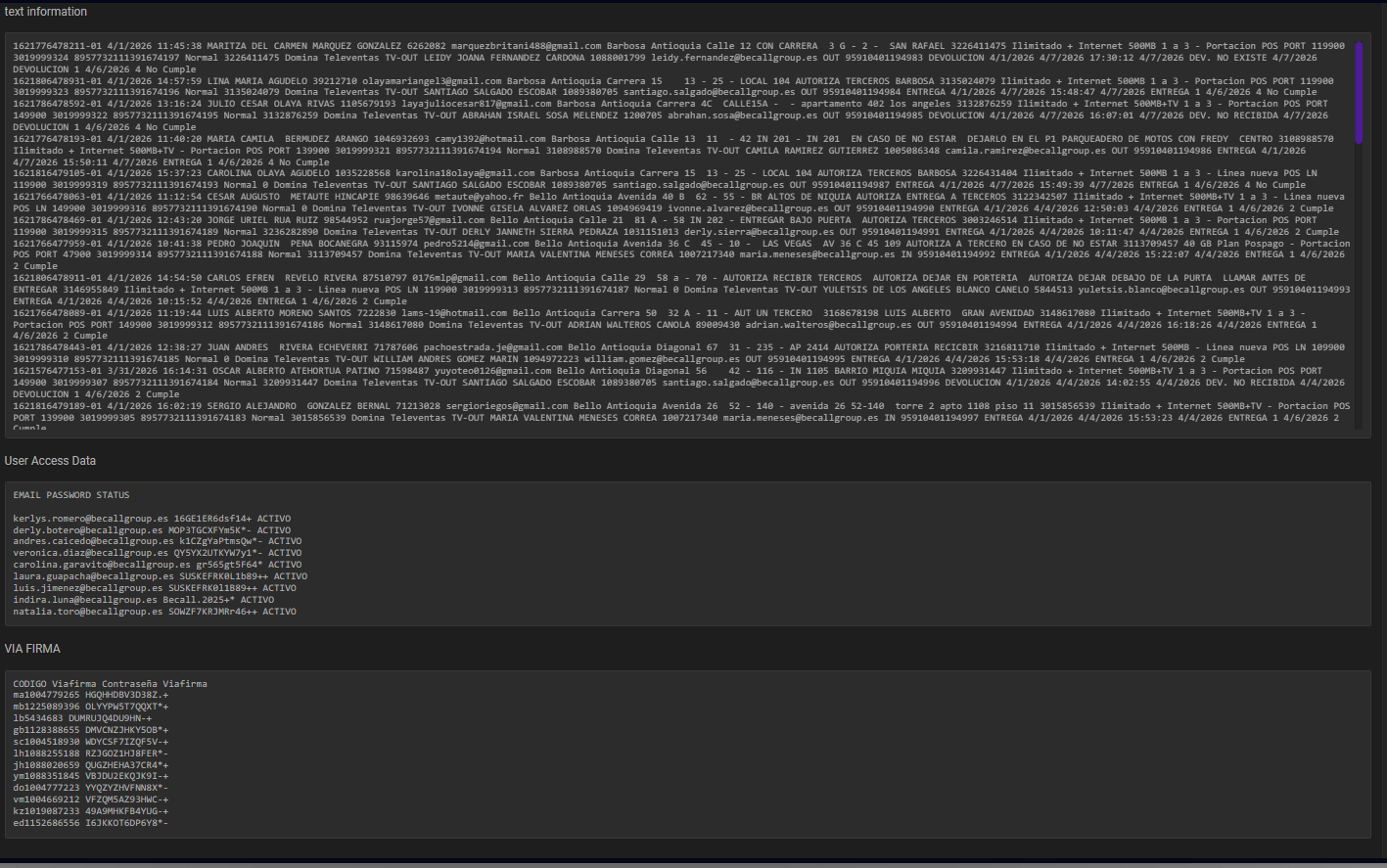
Coordinate Vendor Risk Assessments: Initiate contact with the partner security team to identify the precise systems, endpoints, and networks that were compromised during the incident.
Cross Reference Credentials: Scan active user databases for active email addresses matching the partner domains and cross reference active session logs for any anomalous access patterns.
Audit API Usage Logs: Analyze transaction logs on client facing applications to detect whether the leaked connection strings or OAuth tokens have been utilized from unapproved IP addresses.
Containment and Third Party Risk Mitigation
Preventing downstream compromise requires robust architecture and strict access controls. Organizations must move away from implicit trust models when dealing with third party integrations.
Revoke Sessions and Enforce MFA
Instantly terminate all active sessions associated with the compromised partner's user accounts. Force a global password reset and mandate hardware based multi factor authentication (MFA) for all remote accesses. If the partner organization does not support robust MFA protocols, their access should be suspended until compliance is verified.
Rotate Integration Credentials and API Keys
All connection secrets, database credentials, API tokens, and certificate keys utilized by the BPO partner to connect to client applications must be immediately rotated. Treat any historical integration parameter as fully compromised.
Implement Strict IP Geofencing
Configure firewall rules and application gateways to restrict API and portal access solely to verified, static public IP addresses owned and operated by the partner. Block any connection attempts routing through commercial VPNs, hosting providers, or foreign residential proxies.
Strengthening Third Party Security Architectures
Managing third party risk requires continuous validation. GCC organizations must actively evaluate their third party attack surface, as partners often represent the weakest link in the digital supply chain. Relying solely on annual questionnaires is no longer sufficient to secure critical enterprise integrations.
By conducting continuous Attack Surface Management, enterprises can discover exposed partner assets, outdated network services, and unpatched perimeter vulnerabilities before adversaries do. Furthermore, conducting regular Red Team Operations helps organizations simulate realistic supply chain compromise scenarios, testing whether internal detection systems can identify and block lateral movement originating from trusted partner tunnels.
For ongoing exposure monitoring, deploying dedicated Dark Web Monitoring services ensures that compromised credentials, leaked database schemas, and active employee accounts are discovered and mitigated the moment they appear on cybercrime forums.