
Phishing Awareness 2026: Building a Human Firewall for UAE Enterprises
The digital economy in the United Arab Emirates continues to grow at a remarkable pace. With Dubai and Abu Dhabi emerging as global hubs for fintech, blockchain innovation and enterprise technology, organizations are embracing digital transformation to stay competitive. However, the same digital infrastructure that fuels innovation also attracts sophisticated cybercriminals seeking to exploit vulnerabilities.
One of the most persistent threats facing modern organizations is phishing. In fact, phishing awareness has become the cornerstone of every successful Online security awareness initiative in the UAE. Businesses that prioritize employee education significantly reduce the likelihood of data breaches and financial loss. Companies that want to build a strong cybersecurity culture often start with structured Security awareness services UAE that educate employees on identifying malicious emails, suspicious links and deceptive social engineering tactics.
The Human Element: Why Phishing Still Works
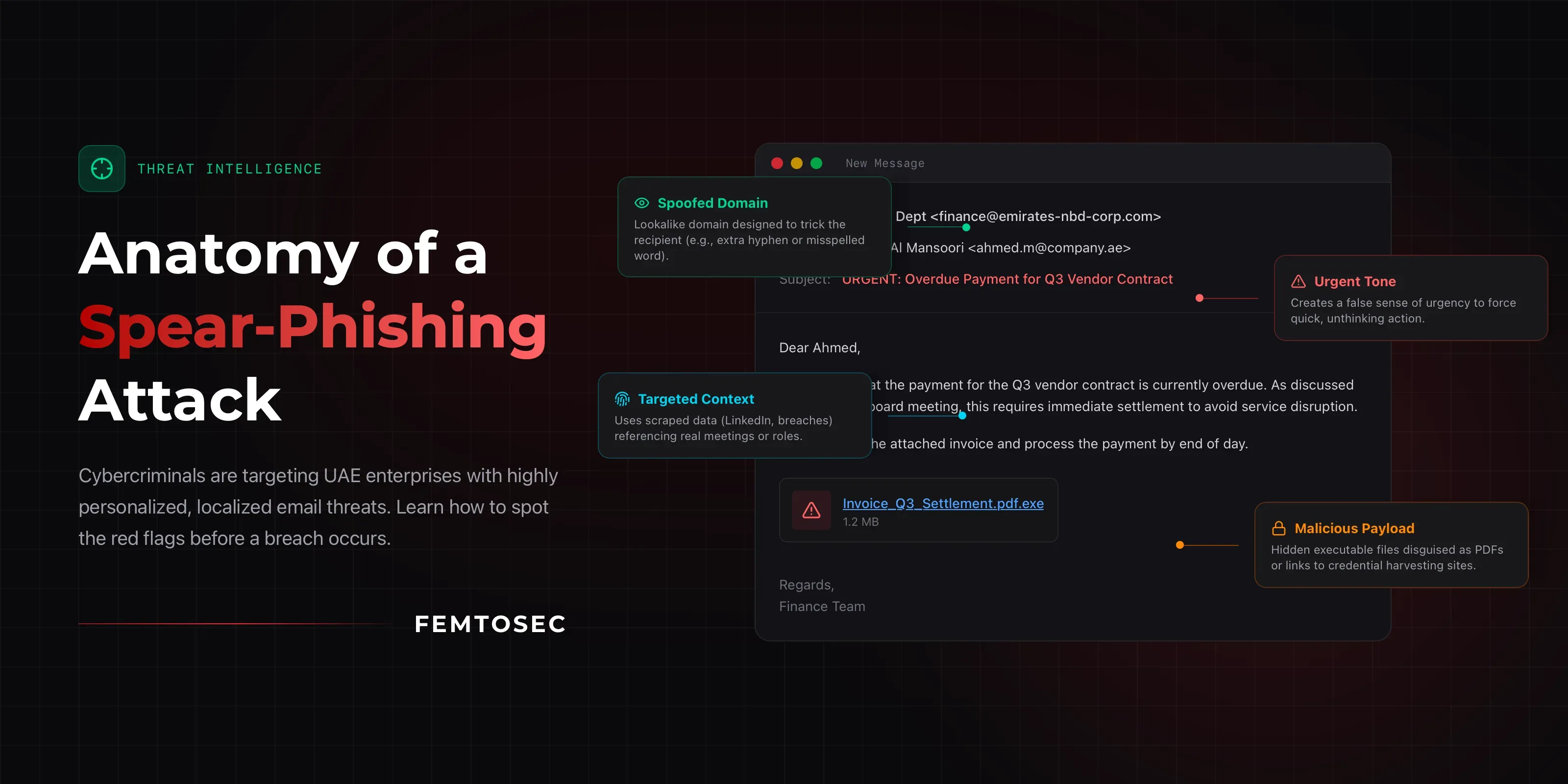
Despite advancements in cybersecurity tools, phishing remains one of the most effective attack techniques. Attackers rely on human psychology rather than technical vulnerabilities. They create a sense of urgency, fear, or curiosity to trick employees into revealing credentials or clicking malicious links.
This is why modern enterprises are investing heavily in Enterprise security awareness solutions UAE to strengthen the human layer of defense. Rather than relying solely on firewalls or antivirus software, organizations now recognize that informed employees are the strongest protection against cyber threats. Businesses looking to scale secure infrastructure often integrate awareness training with broader Enterprise IT consulting UAE strategies that align security programs with operational goals.
The Evolution of Phishing in the UAE
Phishing attacks in the UAE have evolved significantly over the past decade. Early phishing emails were easy to identify due to poor grammar and suspicious attachments. Today, attackers conduct detailed reconnaissance using publicly available information, leaked credentials and exposed assets.
Modern cybercriminals use techniques such as attack surface mapping to gather intelligence about organizations before launching attacks. For example, they may impersonate a bank, telecom provider, or even an internal executive. Businesses can reduce these risks by understanding external vulnerabilities through Attack Surface Management solutions that reveal exposed systems before attackers discover them.
Why Phishing Awareness Is Critical for UAE Organizations
Phishing attacks are especially dangerous in industries dealing with financial transactions, government data, or digital assets. A single successful phishing attack can lead to credential theft, unauthorized financial transfers, or ransomware incidents.
Organizations operating within the digital asset ecosystem must also align with the regulations of the Virtual Assets Regulatory Authority. Understanding regulatory frameworks helps businesses strengthen their security posture and compliance readiness. Companies navigating regulatory expectations often consult insights such as The VARA Framework Explained to ensure their cybersecurity strategies align with government requirements.
Key Phishing Statistics Every UAE Business Should Know
Understanding the scale of the phishing threat helps organizations effectively prioritize Phishing awareness initiatives.
Cybersecurity Statistic | Global Insight |
|---|---|
91% of cyberattacks begin with phishing | Source: Cybersecurity research reports |
60% of small businesses close within six months after a breach | Security industry studies |
Email phishing remains the #1 entry point for ransomware | Global cyber incident reports |
Organizations with awareness training reduce incidents by up to 70% | Security awareness benchmarks |
These numbers demonstrate why investing in structured Online security awareness programs in the UAE is critical for modern enterprises. Organizations that combine employee education with technical defenses, such as penetration testing, significantly improve their security posture.
Common Phishing Attacks Targeting UAE Enterprises
Modern phishing attacks come in several forms, each designed to exploit different types of organizational weaknesses. Understanding these tactics helps businesses build stronger defenses through Enterprise security awareness solutions UAE.
Attack Type | Method | Defensive Strategy |
|---|---|---|
Spear Phishing | Personalized email targeting employees | Security awareness simulations |
Whaling | Executive-level attacks | Executive training & governance |
Business Email Compromise | Vendor impersonation | Financial workflow controls |
Smishing | Fraudulent SMS messages | MFA and user verification |
Credential Harvesting | Fake login pages | Password management & monitoring |
Organizations that implement vulnerability assessments alongside awareness training can detect system weaknesses before attackers exploit them.
The Role of Security Awareness Services UAE
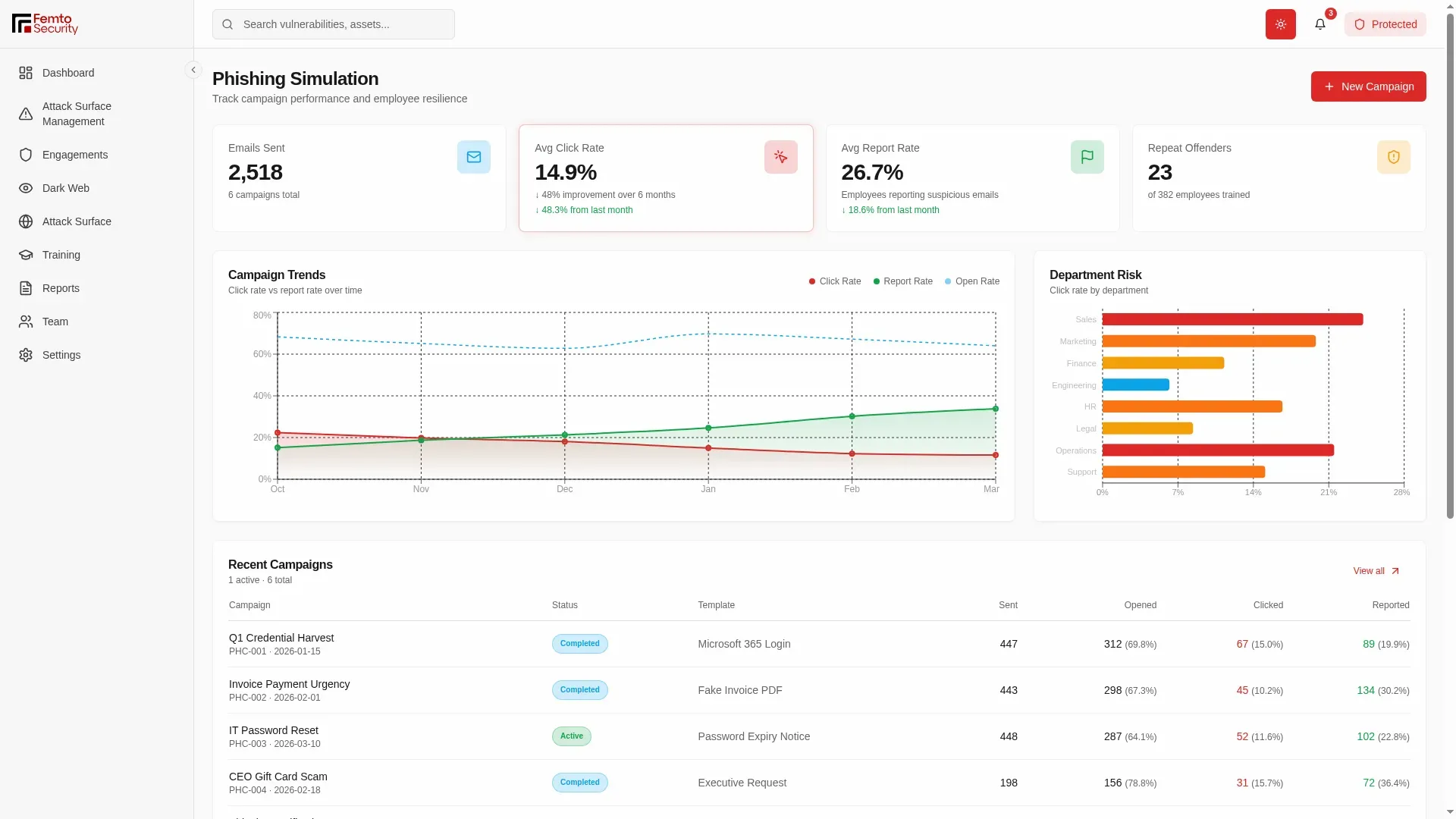
Building a human firewall requires continuous education and realistic simulations. Modern Security awareness services UAE programs are designed to replicate real attack scenarios so employees learn how to recognize suspicious behavior.
Typical features of enterprise awareness programs include:
Simulated phishing campaigns
Interactive training modules
Employee risk scoring
Real-time reporting dashboards
Compliance documentation
Companies that integrate these programs often achieve measurable improvements in their security posture, particularly when awareness initiatives are combined with services such as Red Teaming to simulate advanced adversary tactics.
Integrating Compliance with Phishing Awareness
Cybersecurity in the UAE is closely linked to regulatory compliance. Many businesses must adhere to international security frameworks, such as ISO 27001, while also aligning with local regulatory requirements.
For example, organizations handling digital assets must understand how cybersecurity supports licensing and operational compliance. Guides such as Mastering VARA Compliance explain how governance, security training, and monitoring all contribute to meeting regulatory obligations.
Without regular Phishing awareness training, organizations may struggle to meet compliance requirements or pass security audits.
Technical Defenses That Support Phishing Awareness
While awareness training addresses the human layer, organizations must also strengthen technical defenses to prevent exploitation if an employee makes a mistake.
Vulnerability Assessment and Penetration Testing (VAPT)
Security testing helps identify weaknesses in networks, applications and systems. Businesses that conduct routine testing through Vulnerability Assessment and Penetration Testing can detect vulnerabilities before attackers exploit them.
Red Team Simulations
Red teams simulate real-world cyberattacks using advanced tactics, including phishing and social engineering. This approach provides organizations with a realistic view of their defensive capabilities and is explained in detail in Red Teaming Explained.
Dark Web Monitoring: Detecting Leaked Credentials
Even with strong Phishing awareness programs, some credentials may eventually be compromised. Monitoring underground forums and marketplaces can help organizations detect stolen data early.
Dark web monitoring services scan hidden marketplaces and breach databases to identify leaked company credentials before attackers use them. Businesses looking to strengthen proactive threat intelligence often rely on Dark Web Monitoring Services to identify risks before they escalate into full-scale breaches.
Phishing Risks in Blockchain and Web3 Companies
Blockchain startups and digital asset platforms face unique cybersecurity challenges. Attackers frequently target employees with phishing emails designed to steal wallet credentials or to gain access to smart contract infrastructure.
To mitigate these risks, organizations combine awareness training with technical auditing. Companies operating in the blockchain ecosystem often rely on Smart Contract Auditing to identify vulnerabilities that could lead to financial losses.
Building a Culture of Cybersecurity
True cybersecurity resilience requires more than tools and policies. Organizations must cultivate a culture where every employee understands their role in protecting company assets.
Key elements of a strong cybersecurity culture include:
Continuous employee training
Executive involvement in security programs
Transparent incident reporting processes
Regular phishing simulations
Integration with enterprise risk management strategies
Organizations seeking leadership-level security oversight often implement governance frameworks, such as vCISO for VARA Compliance, to align cybersecurity with regulatory expectations.
The Future of Phishing Defense in the UAE
Phishing attacks are becoming increasingly sophisticated, leveraging artificial intelligence, automation and deepfake technology. Cybercriminals can now generate convincing messages and impersonate executives with alarming accuracy.
Forward-thinking enterprises are responding by combining Phishing awareness, technical testing, and threat intelligence to build multi-layered defenses. Businesses that adopt comprehensive security programs supported by Compliance Services are better prepared to defend against evolving threats while meeting regulatory obligations.
Conclusion:
In today’s interconnected digital economy, cybersecurity is no longer solely the responsibility of IT departments. Every employee plays a critical role in protecting sensitive information and preventing cyber incidents. By investing in Enterprise security awareness solutions UAE, implementing continuous phishing awareness training, and integrating technical defenses, organizations can transform their workforce into a powerful human firewall. Partnering with experts like Femto Security enables businesses to strengthen their cybersecurity posture with advanced training programs, proactive threat monitoring, and comprehensive enterprise security strategies designed for the evolving threat landscape.
As cyber threats continue to evolve, businesses that prioritize proactive education and strategic cybersecurity planning will remain resilient and competitive in the global market.
Frequently Asked Questions (FAQs)
What is phishing awareness and why is it important for businesses?
Phishing awareness refers to cybersecurity training that helps employees recognize and respond to phishing attacks, such as fake emails, malicious links and social engineering attempts. It is important because phishing remains one of the most common causes of data breaches worldwide. By implementing strong phishing awareness programs, organizations can reduce the risk of credential theft, financial fraud and unauthorized system access.
Why is phishing awareness critical for organizations in the UAE?
Phishing awareness is especially important in the UAE because many businesses operate in high-value sectors such as fintech, digital assets and government services. Cybercriminals often target these industries with sophisticated phishing campaigns. Implementing Online security awareness UAE programs helps organizations protect sensitive data, maintain regulatory compliance and reduce the likelihood of cyber incidents.
What are the most common types of phishing attacks?
Some of the most common phishing attacks targeting enterprises include:
Spear phishing: Personalized emails targeting specific employees
Whaling: Phishing attacks aimed at executives or senior leadership
Business Email Compromise (BEC): Impersonation of vendors or partners for financial fraud
Smishing: Phishing attempts sent through SMS messages
Credential harvesting: Fake login pages designed to steal usernames and passwords
Organizations that deploy Enterprise security awareness solutions UAE can train employees to identify and report these attacks before damage occurs.
How do enterprise security awareness solutions improve cybersecurity?
Enterprise security awareness solutions improve cybersecurity by educating employees about real-world cyber threats and teaching them how to respond safely. These programs typically include simulated phishing campaigns, interactive training modules and performance tracking. Businesses that adopt structured Security awareness services UAE often see significant improvements in phishing detection and incident reporting rates.
What role does employee training play in cybersecurity?
Employees are often the first line of defense against cyberattacks. While organizations invest in advanced technologies such as firewalls and intrusion detection systems, attackers frequently target human behavior through phishing and social engineering. Regular phishing awareness training ensures employees understand how to identify suspicious communications and follow secure practices when handling sensitive information.
Continue Reading
October 23, 2026
What Is Cloud Security Posture Management (CSPM)?
Learn what cloud security posture management (CSPM) is, how it works, key capabilities to demand, and a six-phase rollout plan for AWS, Azure, and GCP.
October 19, 2026
MCP Security | Risks, Attacks, and Best Practices
What is MCP security explained: the top risks, tool poisoning & prompt injection attacks, OAuth 2.1 authorization, pass/fail checklist to secure MCP servers.
October 15, 2026
Agentic AI Security | Protect Agents Before They Act
Prompt injection, over-permissioned agents, leaked credentials: learn the top AI agent security risks and the controls that stop them before launch.